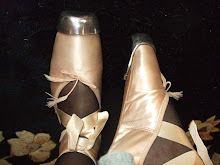
When you told me that the cramping was the spasming type .I thought of the Nutritionist advice, and here it is.
Sudden spamming in the leg can be caused by:
1) Dehydration
2) Lack of Potassium
3) Lack of Magnesium
Information on Potassium
Overview:
Potassium is a very important mineral for the proper function of all cells,
tissues, and organs in the human body. It is also an electrolyte, a substance
that conducts electricity in the body, along with sodium, chloride, calcium, and
magnesium. Potassium is crucial to heart function and plays a key role in
skeletal and smooth muscle contraction, making it important for normal digestive
and muscular function, too. Many foods contain potassium, including all meats,
some types of fish (such as salmon, cod, and flounder), and many fruits,
vegetables, and legumes. Dairy products are also good sources of potassium.
Information on Magnesium
Every organ in the body -- especially the heart, muscles, and kidneys -- needs
the mineral magnesium. It also contributes to the makeup of teeth and bones.
Most important, it activates enzymes, contributes to energy production, and
helps regulate calcium levels as well as copper, zinc, potassium, vitamin D, and
other important nutrients in the body.
You can get magnesium from many foods. However, most people in the United States
probably do not get as much magnesium as they should from their diet. Foods rich
in magnesium include whole grains, nuts, and green vegetables. Green leafy
vegetables are particularly good sources of magnesium.
Food that contain Potassium
Food sources
the richest sources of potassium are fruits and vegetables. A dietary survey in
the U.S. indicated that the average dietary potassium intake is about 2,300
mg/day for adult women and 3,100 mg/day for adult men (30). The potassium
content of some relatively potassium-rich foods is listed in milligrams (mg) in
the table below (36). For more information on the nutrient content of foods,
search the USDA food composition database.
Food Serving Potassium (mg)
Banana 1 medium 422
Potato, baked with skin 1 medium 926
Prune juice 6 fluid ounces 528
Plums, dried (prunes) 1/2 cup 637
Orange juice 6 fluid ounces 372
Orange 1 medium 237
Tomato juice 6 fluid ounces 417
Tomato 1 medium 292
Raisins 1/2 cup 598
Raisin bran cereal 1 cup 362
Artichoke, cooked 1 medium 343
Lima beans, cooked 1/2 cup 485
Acorn squash, cooked 1/2 cup (cubes) 448
Spinach, cooked 1/2 cup 420
Sunflower seeds 1 ounce 241
Almonds 1 ounce 200
Molasses 1 tablespoon 293
List of food that has magnesium
List Of Food Sources Of Magnesium
Artichoke
Barley
Beet greens
Black beans
Brazil nuts
Broad beans
Broccoli
Brown rice
Buckwheat flour
Bulgur
Cowpeas
Halibut
Kidney beans
Lima beans
Milk
Navy beans
Oat bran
Okra
Oysters
Peanuts
Plantain
Pumpkin seeds
Rockfish
Scallop
Soy milk
Soybeans
Spinach
Squash seeds
Sweet potato
Tofu
White beans
Whole grain cereal
Whole wheat bread
Whole-grain cornmeal
Yogurt
Ok..So, here's the deal try 30 minutes before you toetap eat about a 1oz of peanuts
and about half a banana with some water . If you don't wish to do it this way
try a mid morning snack of peanuts and 30 minutes before tapping eat a small
banana with some water. It is still quite filling and, still will get the
minerals in your body that you need!
If you have this problem this should solve it.
Hope this helps
Showing posts with label clogging. Show all posts
Showing posts with label clogging. Show all posts
Wednesday, January 19, 2011

Tuesday, January 18, 2011
Toetap and the calf muscle
A good friend of mine has a repeating calf muscle problem .She most likely has not see someone to fully deal with the problem. So, I am going to give her a few ideas to try and help her.
Since toetap or pointe/tap have the similar calf issues as clogging,pointe. Also share some of the same injury's as high heels or pointe boots. I am going to share a few calf issues.
This one from Answerbag goes like this :
Calf muscle injury's acour in either the gastrocnemius or the soleus muscle.The gastrocnemius is the large ,more obvious calf directly below the knee. The soleus lies directly below it and,is attached to the Achillies tendon. The most calf injury's are caused by overuse durning activity's such as basketball,footballweightlifting,or dancing.
Significance:
Calf muscle injurys can be serious or disabling as they affect a persons ablitity to walk.
Idenification:
Calf muscle injury are categorized in grades 1,2 or 3 accourding to the Sports injury Clinic.
Grade 1
Are mild strains that cause mild pain and tightness
Grade 2
can cause swelling and brusing as well as pain while walking.
Grade 3
Is the most sever ..such as a torn muscle or ruptured tendon.
Effect
A grade 3 rupture can cause a deformity in the calf as the muscle tendon becomes detached from the Achillies heel and ,bunches up at the top of the leg just below the knee. Someone with this type of injury may not be able to contract his muscle.
Surgical repair is often necessary.
Type of Non Surgical Treatment:
Most calf sprains are pulled muscles that can be treated witha combination of rest,ice,heat and anti-inflammatory medicans such as ibuprofen,aspirin ,naproxen,Etodolac, Tramadol,Cyclobezaprine....they even have a few that will get you down the montain the day before yesterday!Yes ! they can be that strong!
You can also, weara heel pad to lesson the preasure on the two major calf muscles.
Considerations:
Once the intial inflammation is under control .Use heat to increase blood flow to the injuried calf muscle. Heat helps relax the muscle and,get them ready for renewed physical activity. Stretching and strenth building exercises can also help.
Here was another Answer :
The plantaris Muscle is a thin muscle that starts at the knee joint. Which attaches to the Plantaris tendon beginning at the calf.
The Plantaris tendon then elongates down the calf to the foot.Connected to the joints in the foot.
Both the Plantaris muscle and,tendon are prone to injury.Because they are connected to two joints .
This answer came from a clogging site :
Calf tightness can be due to several factors:
1) Are you dehydrated?
You need to ensure that you are drinking enough water to allow the exersing muscle to work.
2) A lot of calf related systoms are due to faulty foot mechanics. Which have existed for many years without a problem. But , now are coming to light.
As a result the calf maybe working too hard to compansate for these mechanic and become excessively tight. but, stretches on there own is not the answer .
See a podiatrist for a gait(I.E. walking,running,dance) analysis and they will be able to explain exactly what is wrong. Do not except stretching as the answer it is not!
Answer from my P.T.
People who do clogging ,pointe ,or toetap share the same calf injury's as a person who wears high heels .
To be sure I would have to see her .
I know for a fact that they have very good P.T. 's where she from .
Recommened books to read :
Preventing Dance Injuries
second edition
by Ruth Solomon
John Solomon and
Sandra Cerny Minton
Dance Anotomy and Kinesiology
by Karen S. Clippinger
Dance Imagery for Technique and Performance
By Ana Bracilovic
Since toetap or pointe/tap have the similar calf issues as clogging,pointe. Also share some of the same injury's as high heels or pointe boots. I am going to share a few calf issues.
This one from Answerbag goes like this :
Calf muscle injury's acour in either the gastrocnemius or the soleus muscle.The gastrocnemius is the large ,more obvious calf directly below the knee. The soleus lies directly below it and,is attached to the Achillies tendon. The most calf injury's are caused by overuse durning activity's such as basketball,footballweightlifting,or dancing.
Significance:
Calf muscle injurys can be serious or disabling as they affect a persons ablitity to walk.
Idenification:
Calf muscle injury are categorized in grades 1,2 or 3 accourding to the Sports injury Clinic.
Grade 1
Are mild strains that cause mild pain and tightness
Grade 2
can cause swelling and brusing as well as pain while walking.
Grade 3
Is the most sever ..such as a torn muscle or ruptured tendon.
Effect
A grade 3 rupture can cause a deformity in the calf as the muscle tendon becomes detached from the Achillies heel and ,bunches up at the top of the leg just below the knee. Someone with this type of injury may not be able to contract his muscle.
Surgical repair is often necessary.
Type of Non Surgical Treatment:
Most calf sprains are pulled muscles that can be treated witha combination of rest,ice,heat and anti-inflammatory medicans such as ibuprofen,aspirin ,naproxen,Etodolac, Tramadol,Cyclobezaprine....they even have a few that will get you down the montain the day before yesterday!Yes ! they can be that strong!
You can also, weara heel pad to lesson the preasure on the two major calf muscles.
Considerations:
Once the intial inflammation is under control .Use heat to increase blood flow to the injuried calf muscle. Heat helps relax the muscle and,get them ready for renewed physical activity. Stretching and strenth building exercises can also help.
Here was another Answer :
The plantaris Muscle is a thin muscle that starts at the knee joint. Which attaches to the Plantaris tendon beginning at the calf.
The Plantaris tendon then elongates down the calf to the foot.Connected to the joints in the foot.
Both the Plantaris muscle and,tendon are prone to injury.Because they are connected to two joints .
This answer came from a clogging site :
Calf tightness can be due to several factors:
1) Are you dehydrated?
You need to ensure that you are drinking enough water to allow the exersing muscle to work.
2) A lot of calf related systoms are due to faulty foot mechanics. Which have existed for many years without a problem. But , now are coming to light.
As a result the calf maybe working too hard to compansate for these mechanic and become excessively tight. but, stretches on there own is not the answer .
See a podiatrist for a gait(I.E. walking,running,dance) analysis and they will be able to explain exactly what is wrong. Do not except stretching as the answer it is not!
Answer from my P.T.
People who do clogging ,pointe ,or toetap share the same calf injury's as a person who wears high heels .
To be sure I would have to see her .
I know for a fact that they have very good P.T. 's where she from .
Recommened books to read :
Preventing Dance Injuries
second edition
by Ruth Solomon
John Solomon and
Sandra Cerny Minton
Dance Anotomy and Kinesiology
by Karen S. Clippinger
Dance Imagery for Technique and Performance
By Ana Bracilovic
Subscribe to:
Posts (Atom)